

Forbes Marshall establishes Specific Energy Consumption benchmarks for Breweries.
2003
Best/Average
52/68
KWH/HL Brew
Reason for
gaps between.
best, average
and worst .

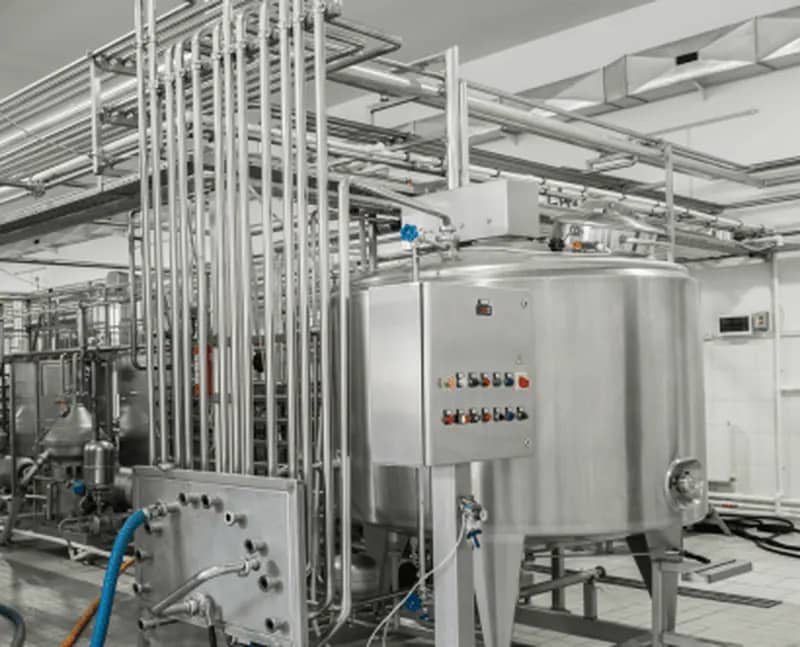
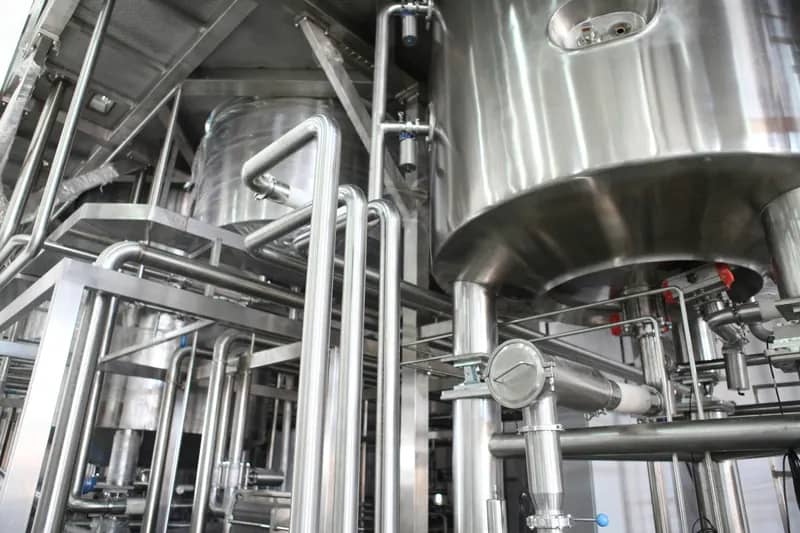
Steam is used in breweries for heating, cleaning, and pasteurizing. A large proportion of the steam is used in the extraction of sugars and flavours in the mashing process and for wort boiling. These two processes alone account for up to 50% of the connected steam load. Other areas of the brewing process that use steam include pasteurisation, bottle washing and CIP systems.
Fuel used for steam generation accounts for more than 40% of the total utility cost in a Brewery and therefore presents the largest opportunity to drive conversion cost reduction.
Our efforts over the last two decades in this direction has led to significant reduction in the energy consumption per hectolitre of beer produced. We pioneered the concept of specific energy benchmarking in breweries in India in 2003 by studying the energy consumption patterns across breweries in India and identifying gaps leading to higher energy consumption. By partnering with plants across the industry and addressing these gaps we have reduced the energy consumption benchmark by over 40%.
Over the years, to meet challenging new targets for conversion cost reduction, our solutions have evolved to not only focus on optimising the steam and condensate network but also on optimising the process by looking at factors like wort vapour heat recovery for hot water generation, optimising the energy tank and precisely controlling the utility based on the process parameters e.g. controlling water addition to the adjunct, precisely maintaining the evaporation ratio / degree plato during wort boiling. Besides reducing the energy consumption per hectolitre of brew we also provide solutions for water and waste water treatment.
Our own observations suggest that with available and cost effective technology there are still opportunities to reduce energy consumption by about 21% on an average globally across breweries.
Forbes Marshall establishes Specific Energy Consumption benchmarks for Breweries.
Reason for
gaps between.
best, average
and worst .
Working with plants to improve the average and better the best by improving the steam system
Plotting the Steam Energy
Factor and understanding
variation - e.g.
Evaporating ratio/ Degree
Plato/Specific Gravity, etc
Working with plants to improve the average and better the best by additionally looking at
Best/Average
52/68
KWH/HL Brew
Best/Average
33/41
KWH/HL Brew
Best / Average
23/33
KWH/HL Brew
Forbes Marshall establishes Specific Energy Consumption benchmarks for Breweries.
Best/Average
52/68
KWH/HL Brew
Reason for
gaps between.
best, average
and worst .
Best/Average
33/41
KWH/HL Brew
Plotting the Steam Energy
Factor and understanding
variation - e.g.
Evaporating ratio/ Degree
Plato/Specific Gravity, etc
Best / Average
23/33
KWH/HL Brew
Lorem ipsum dolor sit amet consectetur. At mattis praesent suspendisse purus. Imperdiet arcu nunc venenatis volutpat sodales quam id netus. Pharetra mauris id nisl lacus amet ac condimentum non. Nisi ut elit quam orci euismod porta.Lorem ipsum dolor sit amet consectetur. At mattis praesent suspendisse purus. Imperdiet arcu nunc venenatis volutpat sodales quam id netus. Pharetra mauris id nisl lacus amet ac condimentum non. Nisi ut elit quam orci euismod porta.
Know More
Duis aute irure dolor in reprehenderit in voluptate velit esse cillum dolore eu fugiat nulla pariatur. Excepteur sint occaecat cupidatat non proident.
Duis aute irure dolor in reprehenderit in voluptate velit esse cillum dolore eu fugiat nulla pariatur. Excepteur sint occaecat cupidatat non
Duis aute irure dolor in reprehenderit in voluptate velit esse cillum dolore eu fugiat nulla pariatur. Excepteur sint occaecat cupidatat non proident.
Duis aute irure dolor in reprehenderit in voluptate velit esse cillum dolore eu fugiat nulla pariatur. Excepteur sint occaecat cupidatat non proident.